Fostering Stewards of Nature: Community Leadership in NFSI’s WATER Reforestation Project
In the upland sitio of Valencia in Alegria, Cebu, Miguel Lendio Sr. starts and ends most days in the same way: checking the small garden behind his house, then walking the steep paths that cut through the community’s remaining forest and farm plots. He and his partner rely on backyard crops and seasonal labor in nearby sitios to put food on the table. There is little in the way of stable income, and almost none of the daily security that comes with it.
Before the WATER Reforestation Project reached their community, Miguel and the other members of their people’s organization (PO) were carrying a responsibility that felt much bigger than their skills and resources. Government support from the Department of Environment and Natural Resources (DENR) for their community-based forest management (CBFM) area had been cut because of budget constraints. The programs that once helped them maintain planted areas faded away. They were left with a long-term stewardship responsibility over their forest area, but with no clear plan, guidance, or budget to fulfill it.
Miguel had just been elected president of their PO. He had heart and willingness, but very little experience running an organization, handling records, or planning for a long-term reforestation project. The group struggled with bookkeeping and monitoring. They were unsure how to properly replant, how to care for young trees, and how to organize work fairly among members. What was on paper—a 25-year stewardship of forest land—felt far removed from what they could practically manage day to day.
“Sa una, nagsalig ra mi sa among kaugalingong kasinatian ug paningkamot, pero daghan kaayo ang lisod kay wala mi klaro nga giya ug suporta sa pag-atiman sa among tanom,” (In the past, we relied only on our own experience and effort but there were so many difficulties because we had no clear guidance or support for caring for the trees that we’ve planted) Miguel recalls.
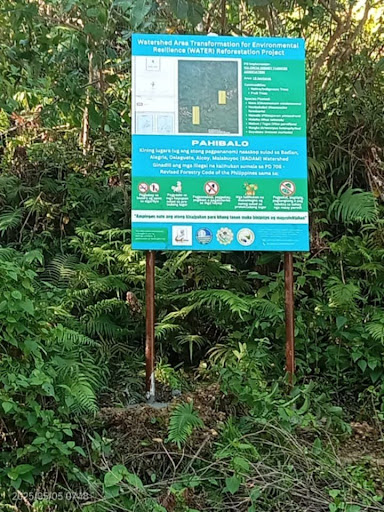
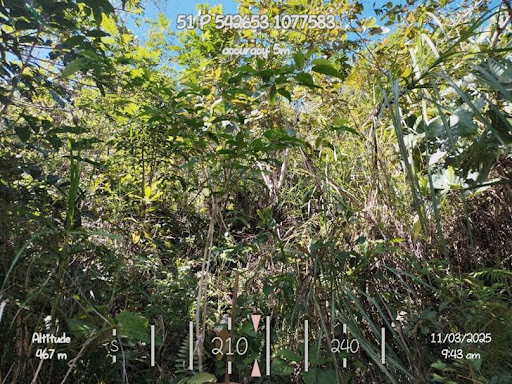
It was this gap that Nature’s Spring Foundation Inc.’s Environment Program filled, through the Watershed Area Transformation for Environmental Resilience (WATER) Reforestation Project. Designed to help increase forest cover in key watersheds while strengthening community-based conservation, the WATER project partners with DENR, local government units (LGUs), and PO’s like Miguel’s to establish and maintain tree plantations in critical upland areas.
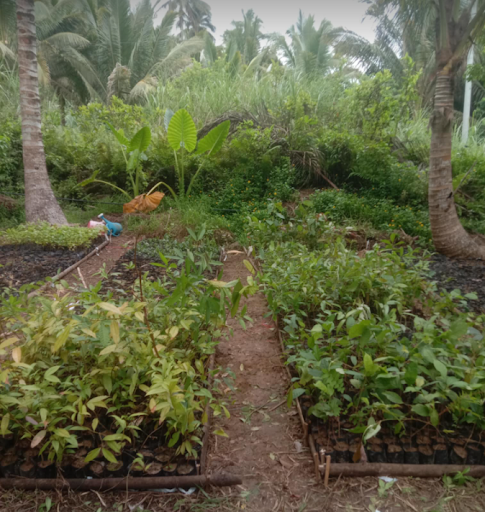
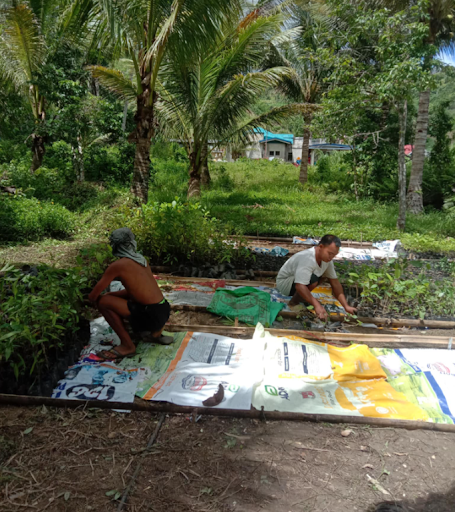
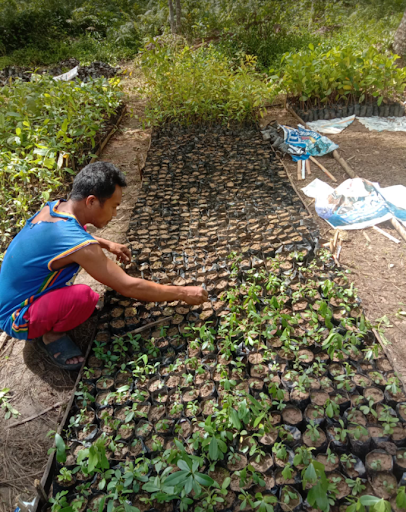
In Valencia, Alegria, Miguel’s PO – Valencia Inghoy Farmer’s Association or VIFA – became one of NSFI’s partner organizations. Under the WATER project, they received structured technical guidance on how to establish nurseries, produce seedlings, plant and replant in assigned areas, and maintain those trees over several years. At the same time, the project introduced training on basic bookkeeping, record-keeping, and organizational management so the PO could better handle funds, reports, and decisions as a group.
The design of WATER linked learning with livelihood. The PO was contracted to propagate seedlings, plant these across their allocated hectares, and then protect and maintain them. Payments from NSFI followed clear milestones in their work and financial plan. This encompassed seedling production, site preparation, planting, and year-on-year maintenance. Consequently, this created a modest but steady income stream for members who joined workdays. For Miguel, who also earns a small honorarium from the barangay and farms a little land, this was the first time that forest care and income were directly connected.
At the individual level, the change in Miguel is visible in how he talks about both the land and his role. Through repeated coaching from NSFI, DENR, and the LGU, he learned proper techniques for planting and replanting, how to monitor survival rates, and how to plan maintenance schedules instead of reacting only when problems appear. More importantly, he began to understand what it means to lead a PO. It was not just about signing documents. Leadership was also about keeping records, tracking finances, and communicating plans clearly to members.
“Sa tabang sa proyekto, nakasugod mi og tarong nga maintenance ug pagtanom sa among mga area. Hinay-hinay nakasabot mi unsa ka-importante ang pag-organize sa PO ug pag-apil sa kalikupan,” (With the project’s help, we were able to start proper maintenance and planting in our areas. We slowly understood how important it is to organize the PO and participate actively in caring for the environment) he says.
For Miguel’s household, the shift has been quieter but no less important. His participation in PO activities now brings a small but more predictable source of livelihood, helping to supplement what they earn from backyard farming and seasonal work. That added income, although modest, translates into more consistent food on the table and fewer days when they must choose which basic needs to postpone.
Within the PO and the wider community, attitudes have also started to shift. In the past, many members were content simply to have their names on the list, without much involvement in planning or decision-making. Now, Miguel observes, people are slowly appreciating why the PO exists and what NSFI is trying to achieve through community-based forest management. Members attend assemblies more regularly, ask questions about reports, and understand that the health of their watershed is linked to the water and livelihoods their families depend on. Through project activities and PO meetings, awareness in the community about their role in protecting and caring for the forest and planted areas has begun to proliferate.
The process has not been easy. Limited funding at the start, gaps in technical knowledge, and the weight of responsibility on a new PO president all made implementation challenging. But regular follow-ups from NSFI and DENR, mentoring from the municipal LGU, and the cooperation of community members gradually turned those challenges into learning points rather than reasons to stop. Training on bookkeeping and organizational management has begun to address long-standing weaknesses in how the PO manages its records and finances.
Today, Miguel remains an active PO president and continues to participate in NSFI activities linked to the WATER Reforestation Project. The group is now working toward SEC registration, organizing their files, and planning how to stand on their own as an organization while maintaining their long-term stewardship commitments. Their trees are still young, but the systems and habits around caring for them are stronger than when they began.
“Dako ko’g pasalamat sa NSFI,” Miguel says. “Nalipay kaayo mi kay nakatabang mo namo, maayo mo mo-entertain sa PO, ug hinay-hinay ninyo gina-organize ang among grupo,” (I am deeply grateful to NSFI for the support, for the way the team engages with the PO, and for the slow but steady assistance in organizing our group).
Miguel’s story under NSFI’s Environment Program shows what can happen when reforestation is approached not just as tree planting, but as a long-term partnership with upland farmers who live within those watersheds. From a new PO leader unsure on how to sustain a long-term commitment, he has grown into a more confident steward of both his organization and the land they are tasked to protect. In Valencia, Alegria, the change is still in progress. The direction, however, is clear: a small upland community, better organized and better equipped, is now more ready to plant, protect, and preserve the forest that sustains their lives. ###