NSFI and Process Bohol Inc. Reflect on Successes and Lessons Learned in Continued Disaster Resilience and Climate Adaptation Partnership
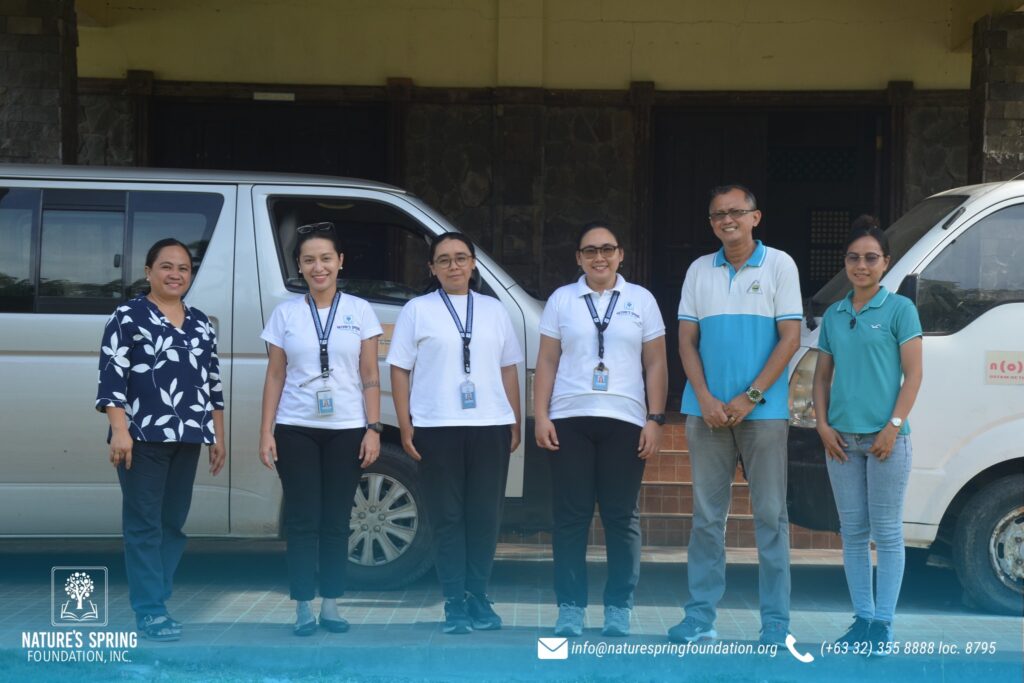
A recent project review brought together the Participatory Research, Organization of Communities and Education towards Struggle for Self-reliance (PROCESS) Bohol Inc. and the Nature’s Spring Foundation Inc. (NSFI) to assess the outcomes of the project, “Empowering Coastal Communities on Climate Change Adaptation towards Resilient Environment” or CCARE Project in Bien Unido, Bohol. The review of the project’s first phase focused on empowering local communities with the knowledge and tools to adapt to climate change and build resilient coastal environments.
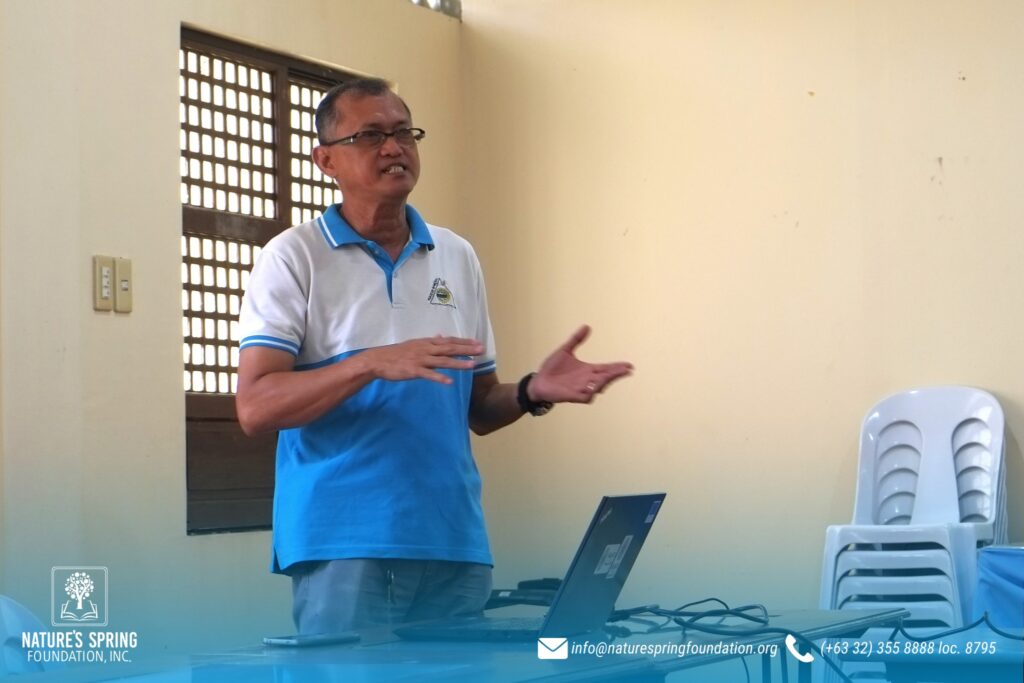
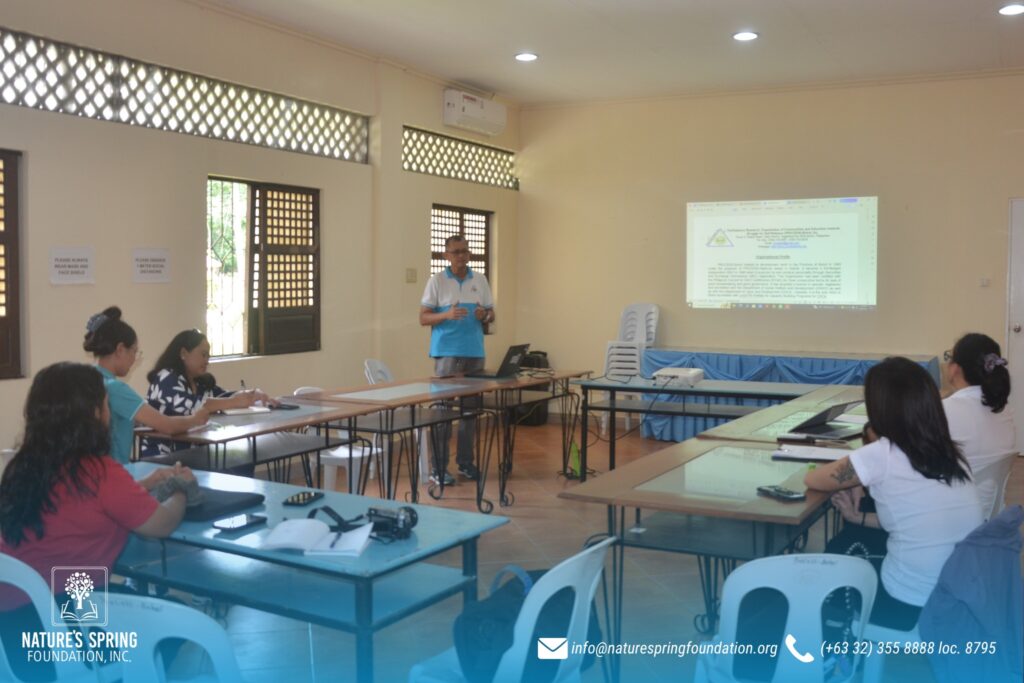
Mr. Aurelio Salgados, Executive Director of PROCESS Bohol Inc., presented the results of the Phase 1. He highlighted the key successes, challenges, and lessons learned throughout its implementation. The review also set the groundwork for the second phase of the project, with both parties contributing valuable insights to improve the effectiveness and scalability of future interventions. For NSFI, this partnership with PROCESS Bohol represents an important step towards deeper, long-term collaboration with local stakeholders. It will further solidify NSFI’s commitment to advancing climate resilience and disaster preparedness in the region.
PROCESS Bohol is a key partner of NSFI in its Community Adoption on Disaster Preparedness, Prevention, and Mitigation (CAD2PM) program. This initiative supports inclusive, innovative, and sustainable community-led efforts in disaster risk reduction and climate change adaptation, particularly in high-risk island and coastal communities vulnerable to typhoons, storm surges, and other extreme weather events.
Founded as a non-profit organization in 1985, PROCESS Bohol empowers marginalized communities, including fisherfolk, women, and farmers, to lead sustainable development initiatives. The shared focus of NSFI and PROCESS Bohol on disaster preparedness and climate resilience will guide the efforts to protect the most vulnerable communities from the growing impacts of climate change.